Refer a Patient
 Pay Bill
 Patient Portal


Is It Safe to Drive at Night With Cataracts?

Is driving at night becoming more stressful, or even dangerous? If you’re experiencing cloudy vision, sensitivity to glare, or difficulty seeing under low light conditions, you may be showing early symptoms of cataracts — a common issue affecting eye health, especially as we age.
This blog will explain how cataracts interfere with night driving, the importance of regular eye exams, and how procedures like lens exchange and cataract surgery can help restore clear vision and confidence behind the wheel.
What Are Cataracts?
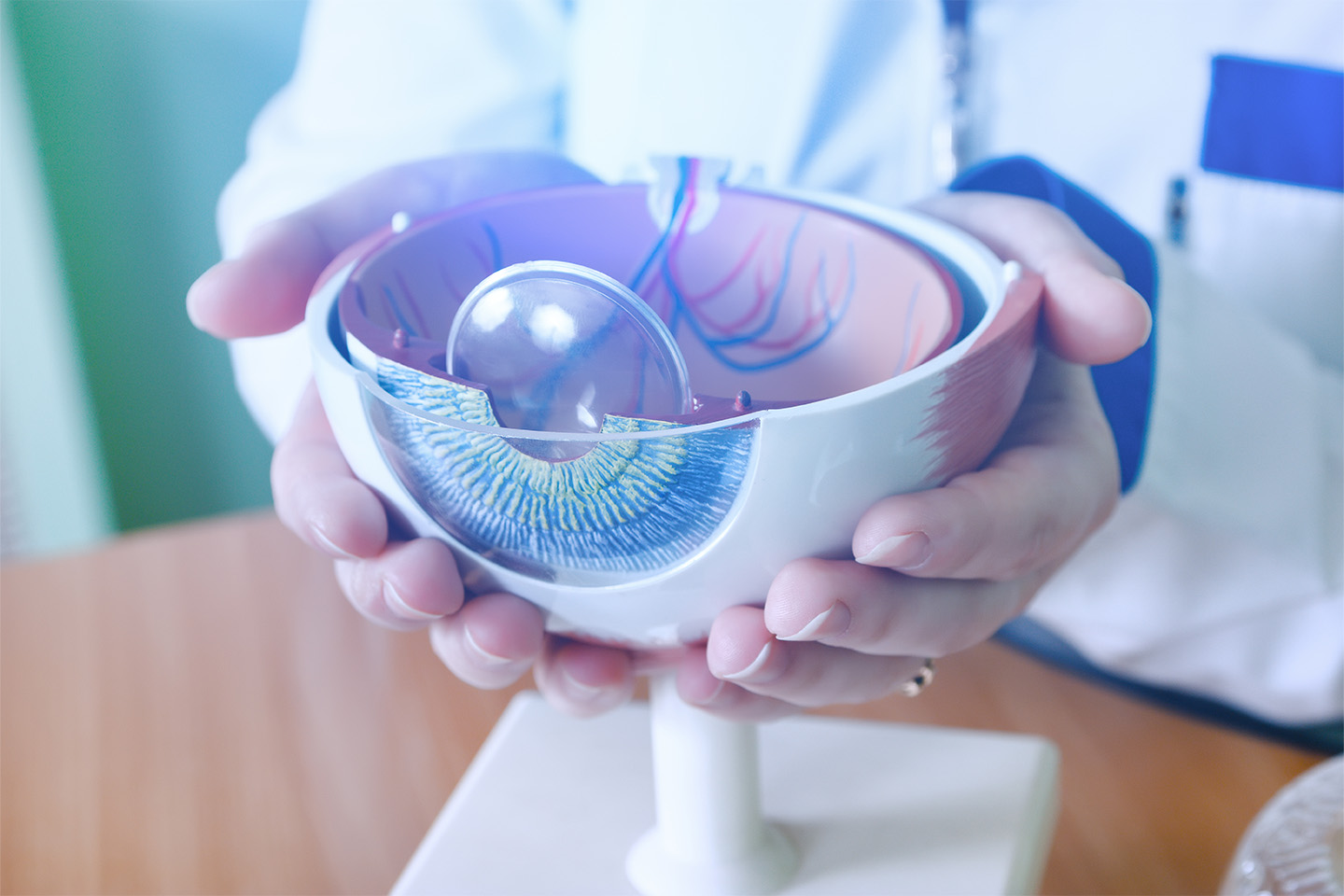
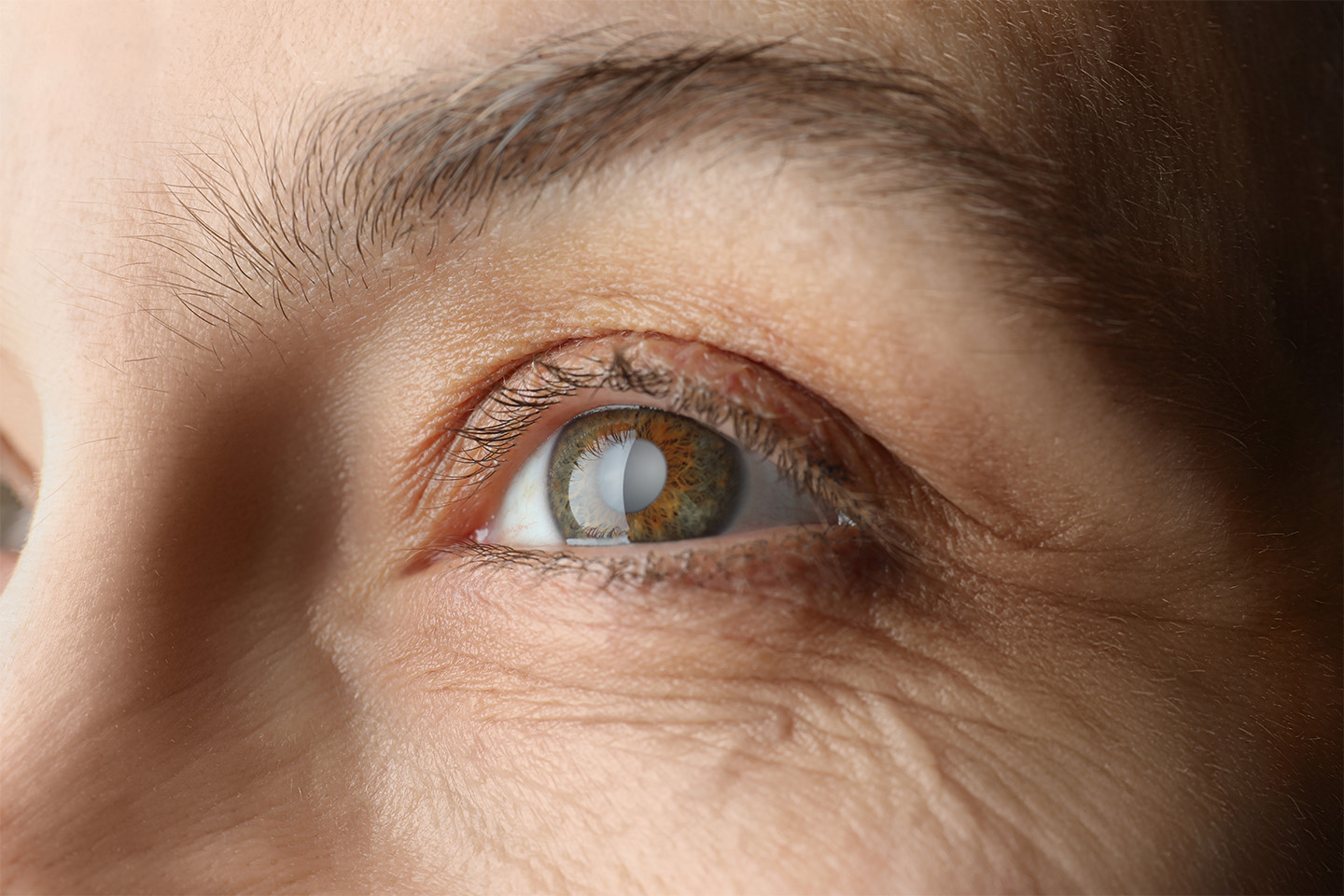
Cataracts are a common progressive eye condition where the natural lens of the eye becomes clouded, reducing clarity and overall contrast sensitivity. As proteins in the lens break down, they form clumps that scatter light, leading to vision distortion and discomfort in varying light conditions.
Other signs of cataracts include:
- Double vision
- Seeing yellowish or dull colors
- Difficulty driving at night
- Halos around bright lights
- Increased light sensitivity
- Requiring additional light to read
- Frequent changes to eyeglass or contact lens prescription
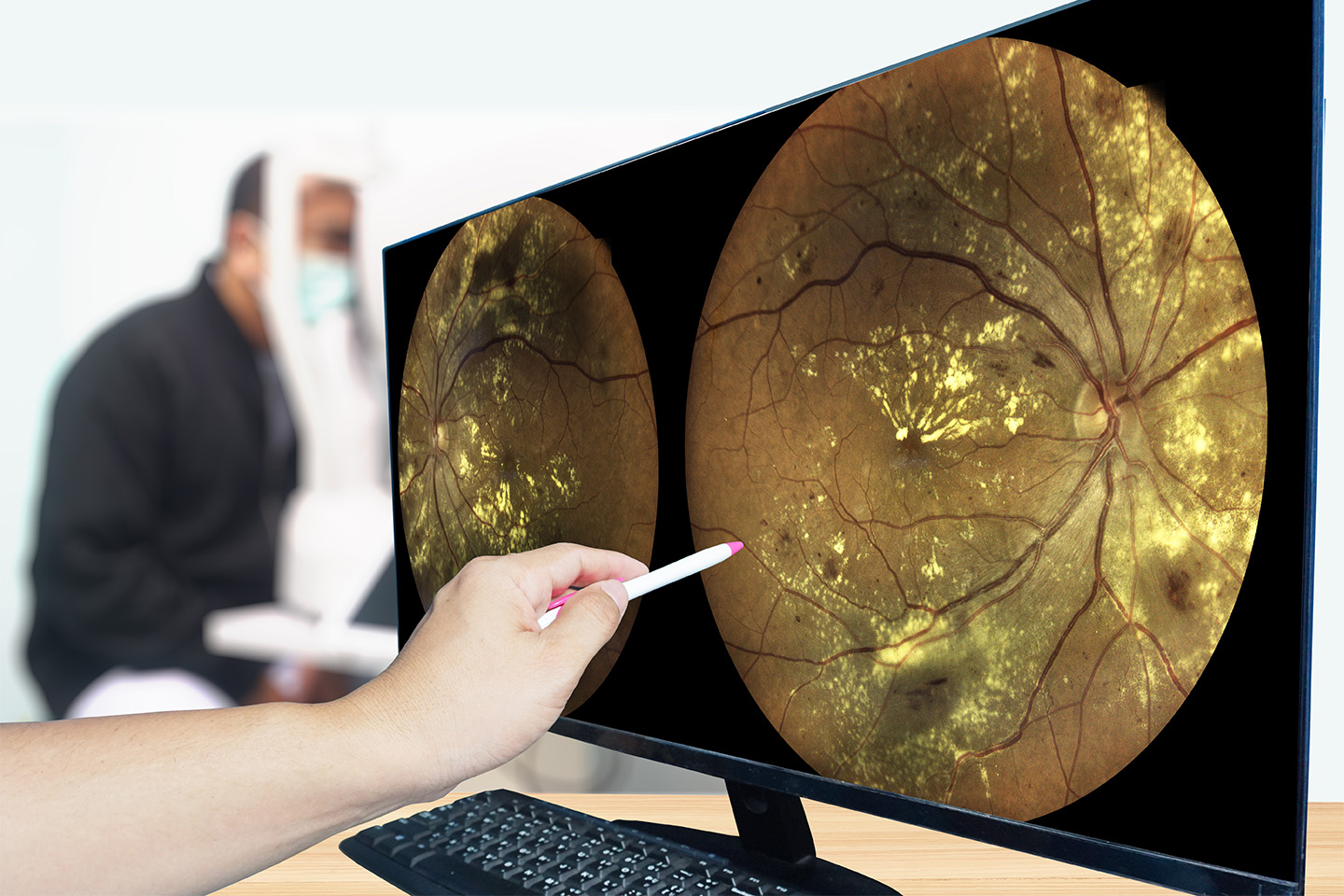
Eye care professionals can diagnose cataracts using a visual acuity test, slit-lamp examination, or retinal exam.
How Cataracts Affect Driving at Night
Night driving demands sharp vision, quick reflexes, and accurate depth perception — all of which are compromised by cataracts. Even mild lens clouding can reduce contrast, increase glare, and distort your perception of road markings, headlights, and pedestrians.
The Stats that Matter
According to data from the National Highway Traffic Safety Administration, more than 39,500 fatal motor vehicle crashes occurred in 2021 — and more than 21,200 of which happened at night. Factors related to those crashes included poor visibility and road lighting, unclear lane markings, and driver behavior.
Conditions that impact vision, like cataracts, add further complications. Not only is it more difficult to see at night, but the appearance of halos around bright headlights from oncoming vehicles can increase the risk of an accident. Cataracts develop slowly and will progressively worsen and cause vision loss if left untreated, interfering with your quality of life.
If you are noticing signs of blurry vision or difficulty with night driving, it’s best to speak with an eye care specialist to understand what is causing your impaired vision. In the meantime, try to plan car trips during daylight hours whenever possible.
Aging Eyes, Cataracts, and Night Vision
Even without cataracts, aging affects eye health and night vision. The pupil becomes smaller and less responsive to light, and the eye’s ability to adapt to darkness declines.
When cataracts develop on top of these natural changes, the impact can be severe. You may find yourself avoiding nighttime driving altogether or feeling unsafe even on familiar roads.
When Should You Stop Driving?
Knowing when to stop driving due to vision loss is a critical safety decision. Some signs that it’s time to consult with an eye doctor include:
- Feeling anxious or unsafe while driving at night
- Difficulty seeing traffic lights or reading road signs
- Constant glare or halos from streetlights or headlights
- Trouble staying in your lane
- Concern from family or friends about your driving
If you’re experiencing any of these symptoms, a comprehensive eye exam is the best next step.
Tips for Safer Driving With Cataracts (Before Surgery)
If you’re not yet ready for eye surgery, here are some ways to reduce risk while still on the road:
- Limit nighttime driving and plan errands during daylight hours
- Use anti-glare lenses in your glasses
- Keep your windshield and mirrors clean for better visibility
- Avoid looking directly at headlights; focus on the road’s edge
- Increase your following distance and reduce speed
- Avoid poorly lit routes when possible
Still, the most effective long-term solution is to correct the cataract itself — often through lens exchange or cataract surgery.
What to Expect From Cataract Surgery
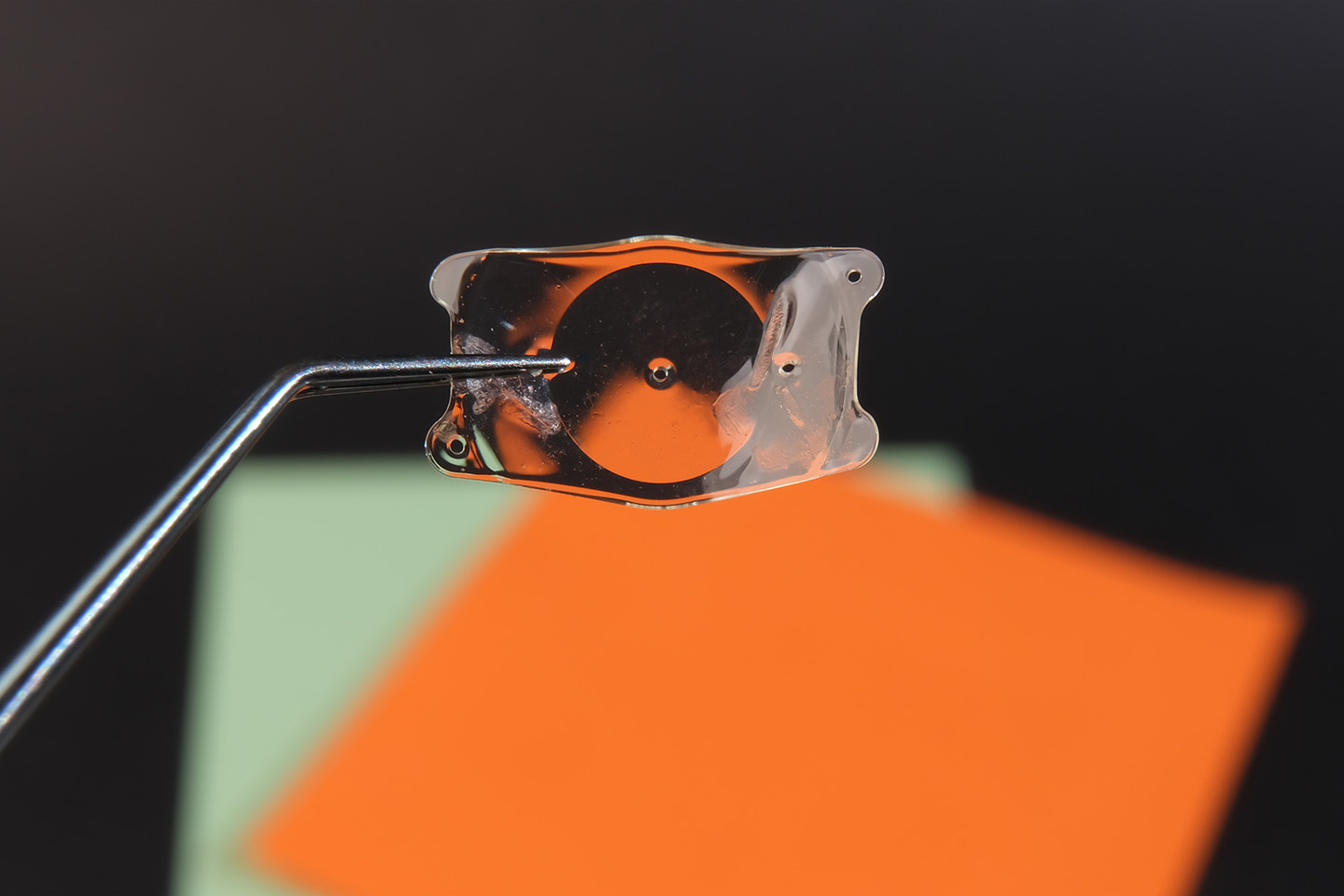
Cataract surgery is a minimally invasive eye surgery that replaces the clouded natural lens with a clear intraocular lens (IOL). It’s one of the safest and most common procedures in the U.S., with more than 3.5 million surgeries performed each year.
At ICON Eyecare, we combine leading-edge technology with compassionate care to help patients regain clarity and improve their quality of life.
Our Advanced Approach Includes:
- LenSx® Laser-assisted cataract surgery for precision and safety
- ORA intraoperative aberrometry for real-time, customized visual outcomes
- A wide variety of intraocular lens options to fit your lifestyle
- Detailed surgical planning during your comprehensive eye exam
- Seamless post-op care for fast, smooth recovery
For those considering LASIK eye surgery but with age-related changes, lens exchange is often a more suitable and long-term option. During your consultation, our surgeons can help determine the best treatment for your individual needs.
What About LASIK for Cataracts?
While LASIK is a well-known procedure for correcting nearsightedness, farsightedness, and astigmatism, it doesn’t treat cataracts. Cataracts involve the natural lens, not the shape of the cornea.
However, many patients with early cataracts who are also considering LASIK eye correction may benefit more from a clear lens exchange — a refractive surgery that removes the natural lens and replaces it with an IOL, similar to cataract surgery.
See Clearly Again With ICON Eyecare
Fortunately, cataracts can be corrected with cataract surgery, a very common, minimally invasive procedure. In fact, more than 3.5 million cataract surgeries are performed each year in the U.S.
Our local, word-class doctors at ICON Eyecare are here to help you regain your peace of mind and drive worry free.
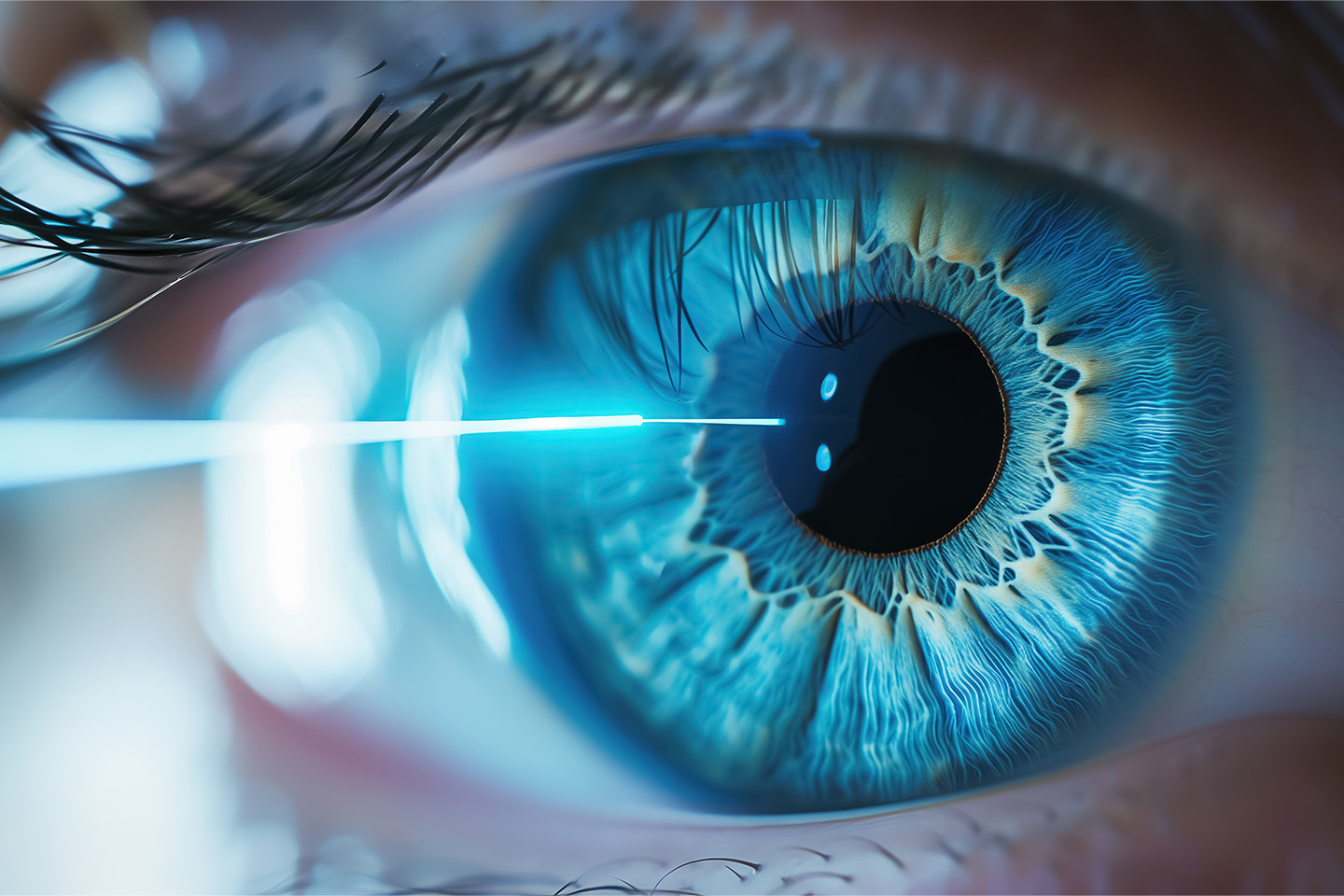
We offer advanced laser technology with the LenSx Cataract Laser and ORA testing for the highest-quality and customizable treatment possible. With these options, a computer-assisted instrument allows us to make precise cuts to remove the cataract and replace it with an artificial lens. We then customize and improve the outcome using intraoperative aberrometry.
If you’re considering taking the next step with vision correction, our cataract self-test can help you determine whether it’s time for a cataract surgery evaluation. If it is, request an appointment today at one of our five locations across the Front Range. Our surgeons have decades of combined experience and have helped thousands of patients improve their quality of life — and we’re ready to help you, too.
[DISPLAY_ULTIMATE_SOCIAL_ICONS]