Refer a Patient
 Pay Bill
 Patient Portal


Untreated Cataracts: Symptoms, Risks, and Why You Should Act Early

Cataracts are a common condition, but that doesn’t mean they’re safe to leave untreated.
Affecting more than half of all Americans age 80 or older, cataracts are incredibly common. They often occur as a natural result of aging. But although proteins in the lens of the eye generally break down due to age, they can also deteriorate due to an eye injury or as a result of eye surgery.
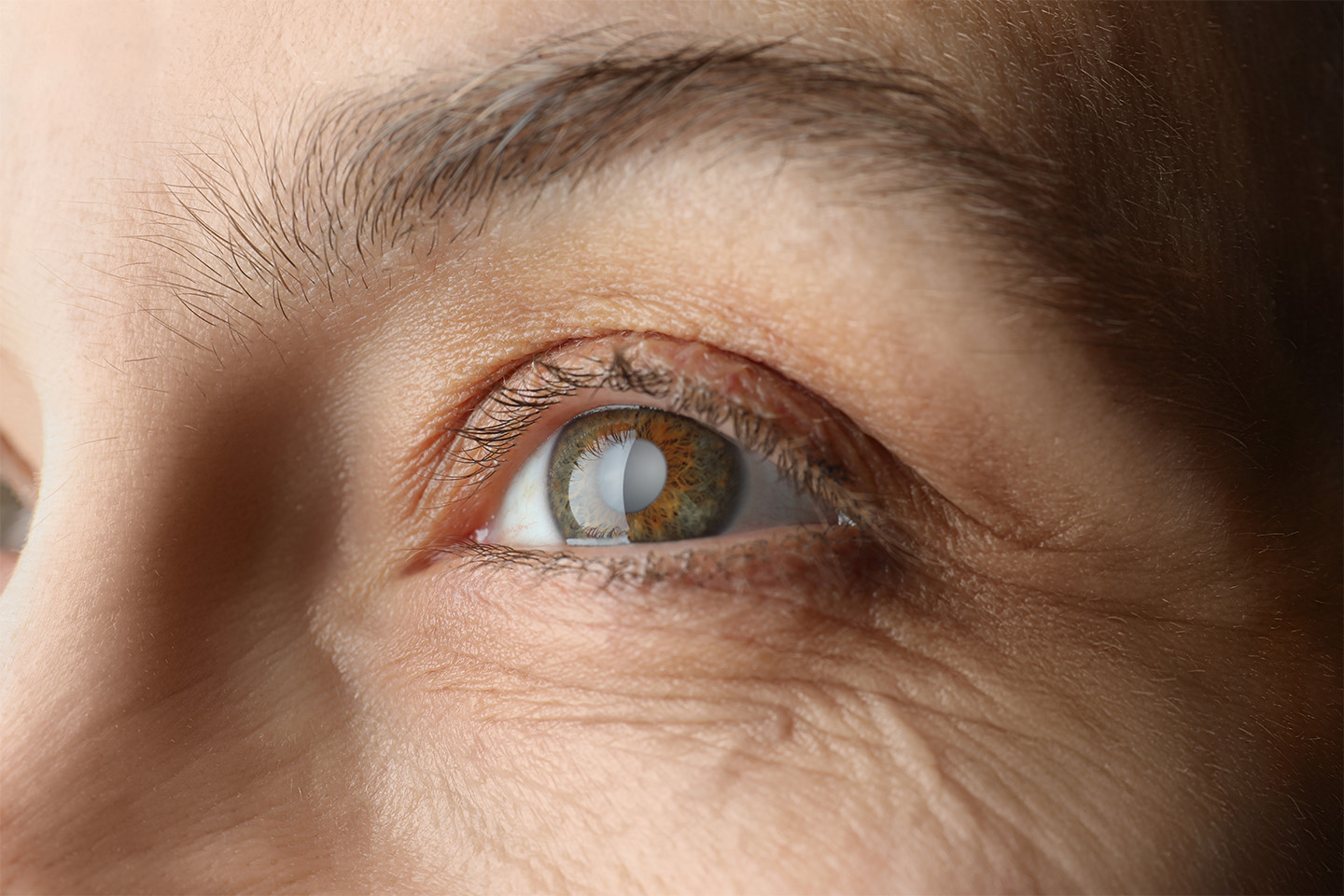
Cataracts are common, but they can also cause serious damage to your eyes if left untreated. Cataracts are a clouding in the eye’s lens, which can result in hazy, less colorful, or blurry vision. While they are generally easy to treat, many patients with cataracts may not even notice their vision declining at first — and by the time they do, the condition could be quite advanced.
Detecting Cataracts Early On
For cataract patients, early detection and treatment can mean better outcomes. To ensure timely detection, it’s important to become familiar with the most common symptoms of cataracts. When cataracts are developing, you may notice that:
- Colors look faded or less bright than usual.
- It’s especially difficult to see at night.
- Even during the day, you have blurred or cloudy vision.
- Lamps, headlights, and sunlight seem painfully bright.
- You’re seeing double.
- You see a halo around lights.
Hypermature Cataracts
Undetected and/or untreated cataracts can develop into hypermature cataracts, an advanced form of the condition that’s very difficult to treat. Hypermature cataracts are pearly white, rather than just cloudy, and they contain fluid.
When cataracts are hypermature, assessing their density and properly identifying their border becomes difficult. Complication rates are much higher with hypermature cataracts. For this reason, it’s strongly recommended that patients seek cataract treatment as soon as they suspect the condition is developing.
Treatments for Cataracts
If you suspect you have cataracts, talk about your options with your eye doctor. Depending on how advanced the condition is, you may or may not need surgery right away. Surgery is the only way to remove a cataract for good, but you can slow the condition’s development with less invasive treatment methods.
Early on, you can alleviate cataract symptoms by using brighter lights, wearing anti-glare glasses, and using magnifying lenses to read. You may also benefit from a new prescription for glasses or contacts.
Why Early Treatment Matters for Cataracts
Cataracts often develop slowly, and in their early stages, symptoms like blurred vision, double vision, or hazy vision may seem minor. But when left untreated, cataracts can lead to serious vision loss that affects daily life. The good news is that early treatment, including safe and effective cataract surgery, can restore better vision and prevent long-term complications. If you’re noticing changes in your sight, don’t wait—these symptoms are your sign to act now.
If you’re developing cataracts, see your eye doctor regularly to monitor their progress. You should also take daily steps to protect your vision, like eating plenty of fruits and vegetables and wearing a hat and sunglasses in bright sunlight.
Don’t wait for cataracts to worsen. Schedule an appointment with the trusted eye doctors at ICON Eyecare and get a personalized evaluation. Whether you’re in the early stages or considering cataract surgery, our specialists will guide you toward the best treatment plan to preserve and improve your sight
[DISPLAY_ULTIMATE_SOCIAL_ICONS]