Refer a Patient
 Pay Bill
 Patient Portal


What to Expect with Cataract Surgery: Before, During and After

Updated: December 23, 2025
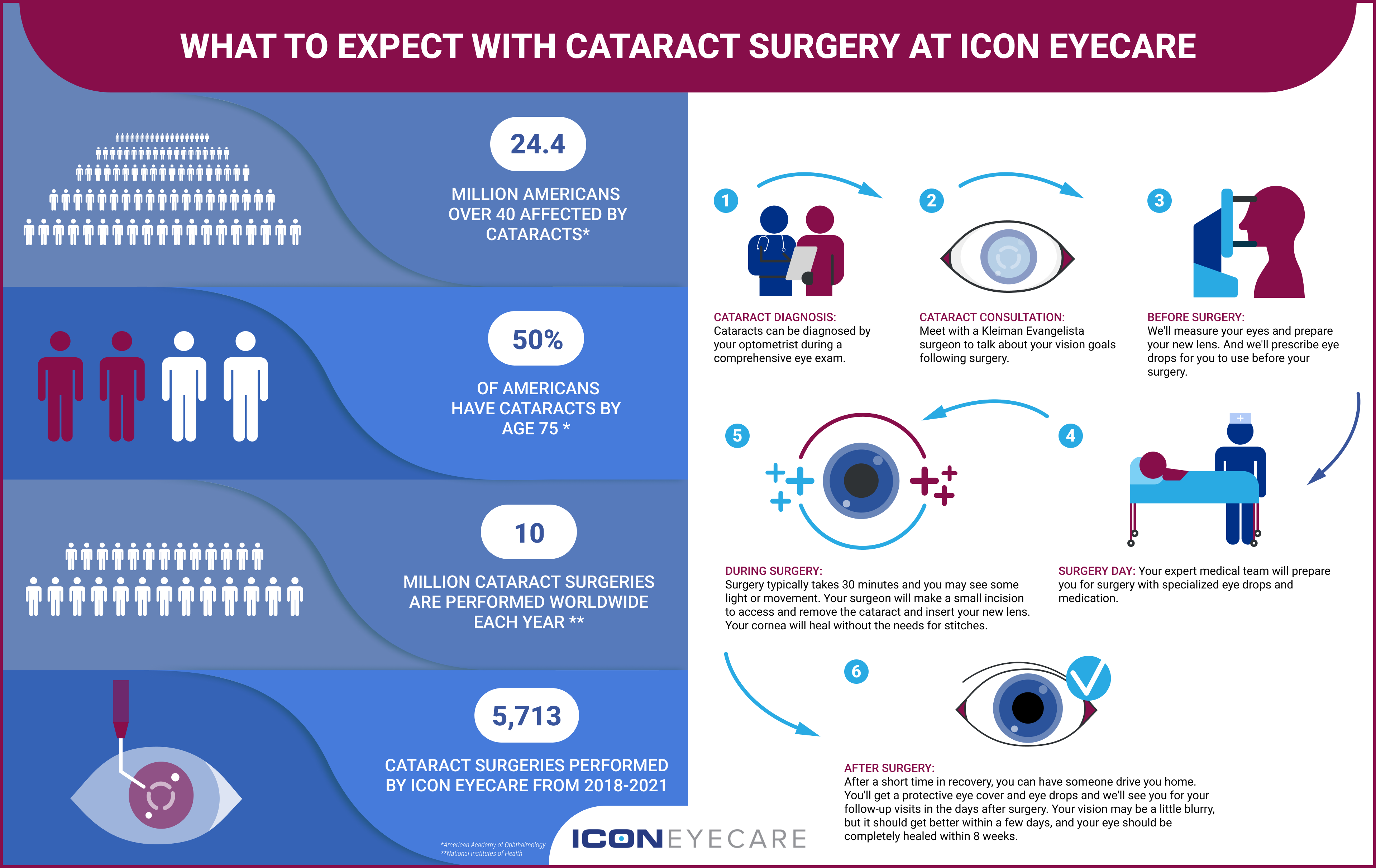
From your initial consultation to the recovery process, the cataract surgery experience can seem daunting. The ICON Eyecare team has put together a comprehensive guide on what to expect before surgery, on the day of surgery, and in the cataract surgery recovery process.
What is a Cataract?
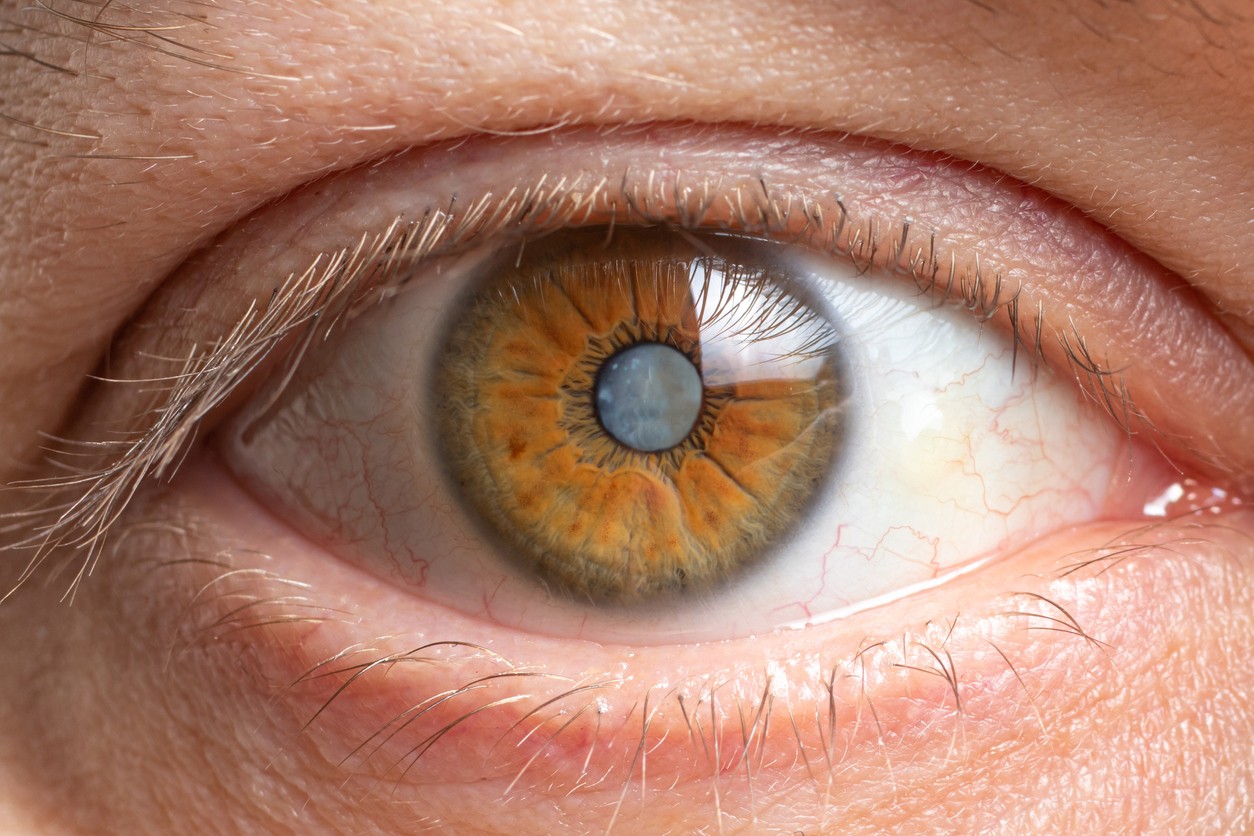
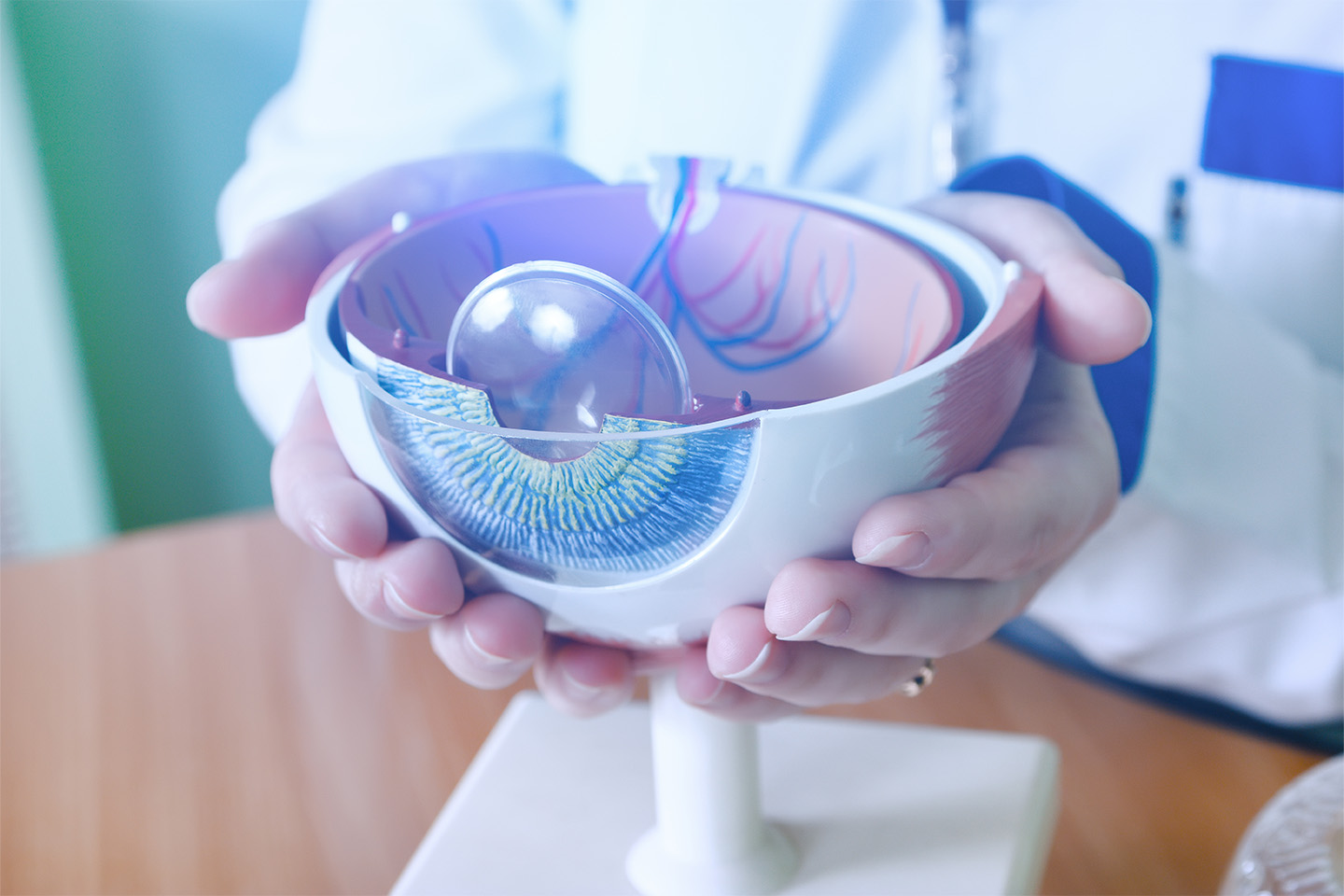
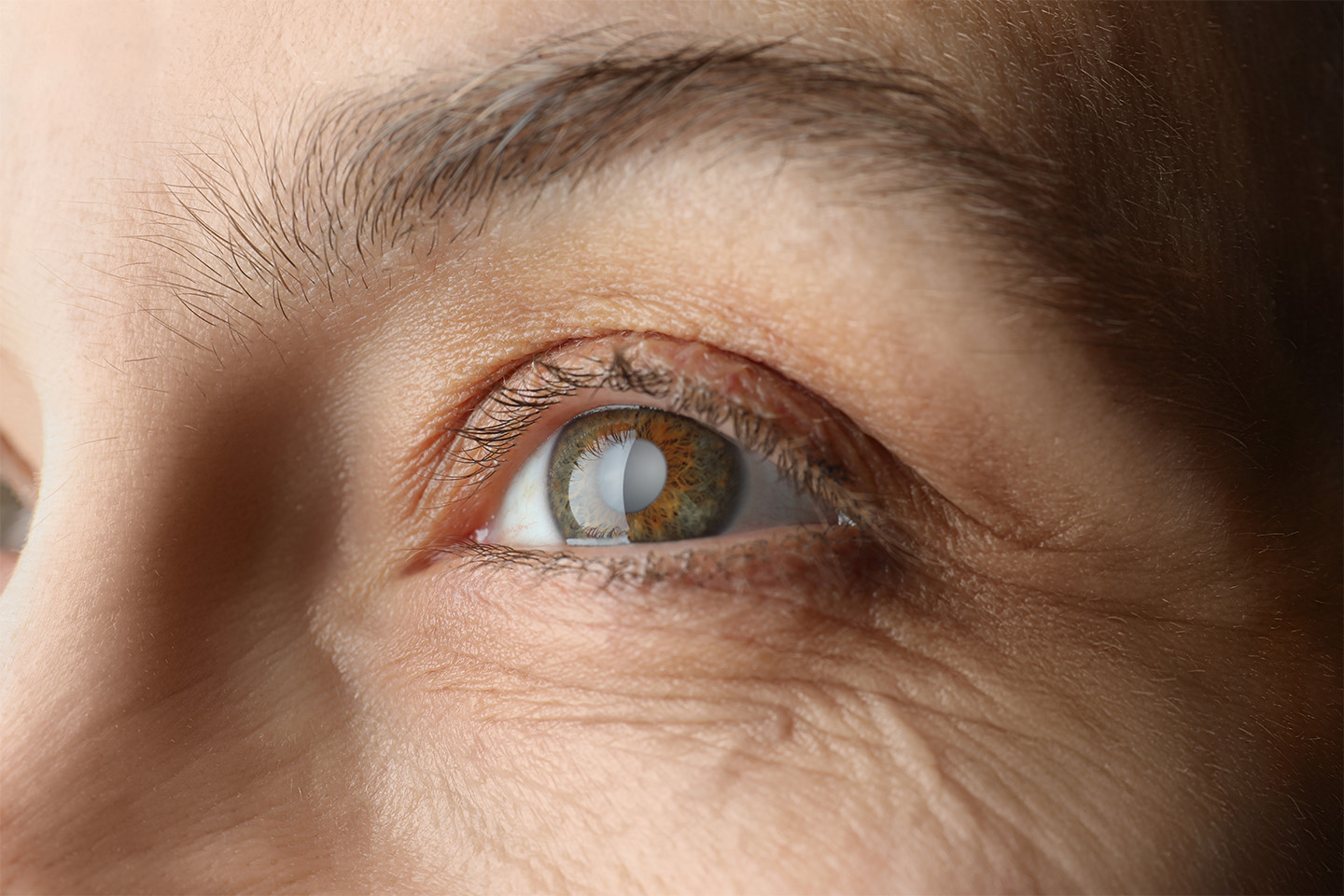
In a healthy human eye, the lens, or crystalline lens, is a clear structure that flexes to focus images onto the retina like a camera focuses an image through the lens onto film. The lens is biconvex, meaning both sides curve in a convex shape rather than one side being flat and the other convex. A cataract is simply the body’s natural process of clouding the lens as you age. People who have cataracts experience vision changes called veiled vision, which may seem like looking through a foggy window.
Scheduling a Consultation for Cataracts
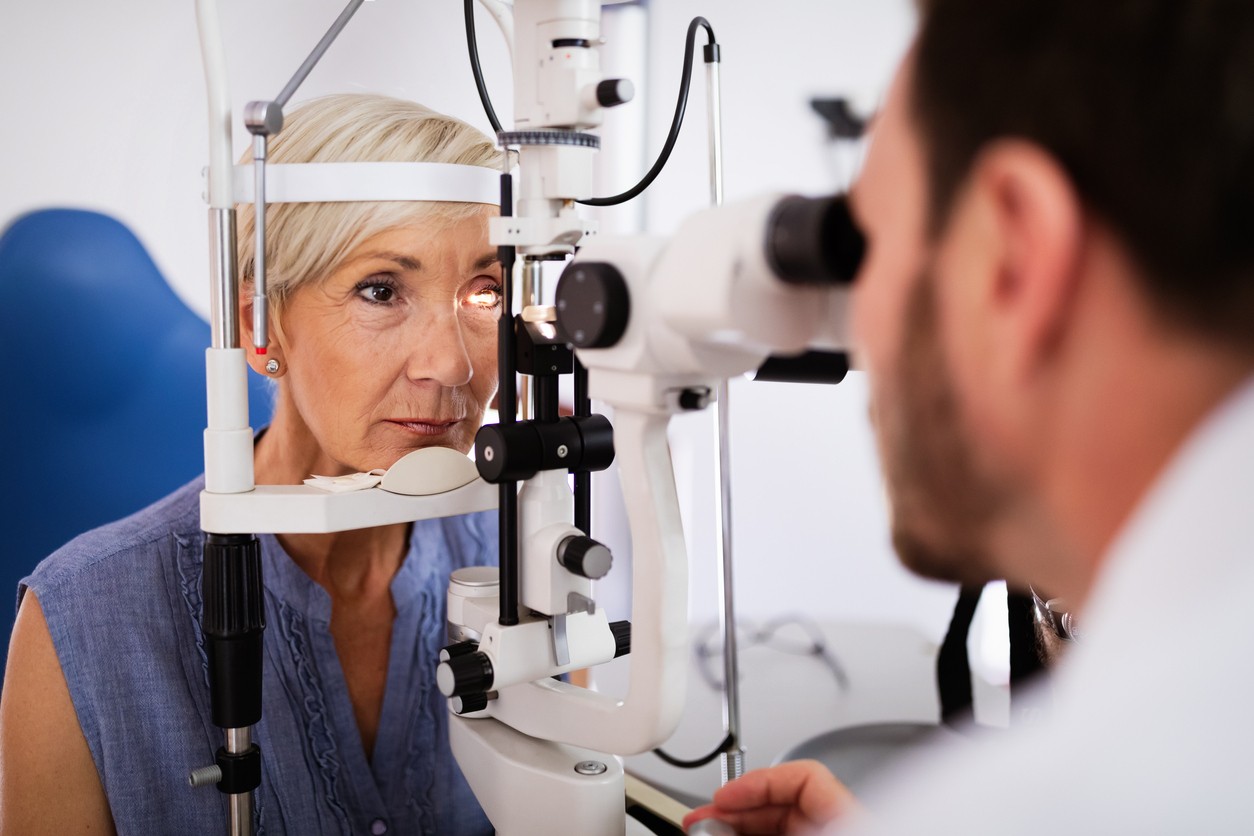
Cataracts usually form slowly and worsen over time. Patients with symptoms of cataracts, or anyone with vision concerns, should be examined by an optometrist or ophthalmologist. A cataract diagnosis often requires monitoring over several years before your eye doctor might recommend cataract surgery.
Knowing that cataracts are forming is an important step in choosing preventive measures to make the condition more comfortable. Brighter light and reading glasses can alleviate some of the earliest symptoms, but eventually, cataract surgery will be required to restore clear vision.
Before Cataract Surgery
During your cataract consultation, it’s important to disclose any medications you are taking to your eye surgeon. You may be asked to stop or modify your medication prior to the surgery. Your doctor may be able to provide alternative medicine that would have less effect before surgery and during the healing process.
- You may be asked to avoid eating or drinking for 6-8 hours before the procedure.
- You may need to apply eye drops before surgery.
- The eye surgeon and medical team will review every detail of the procedure and answer any questions you or your caregiver may have.
Cataract surgery can be done relatively quickly in an outpatient procedure setting at your doctor’s office or surgical center, but transportation to and from the procedure must be arranged.
During Cataract Surgery
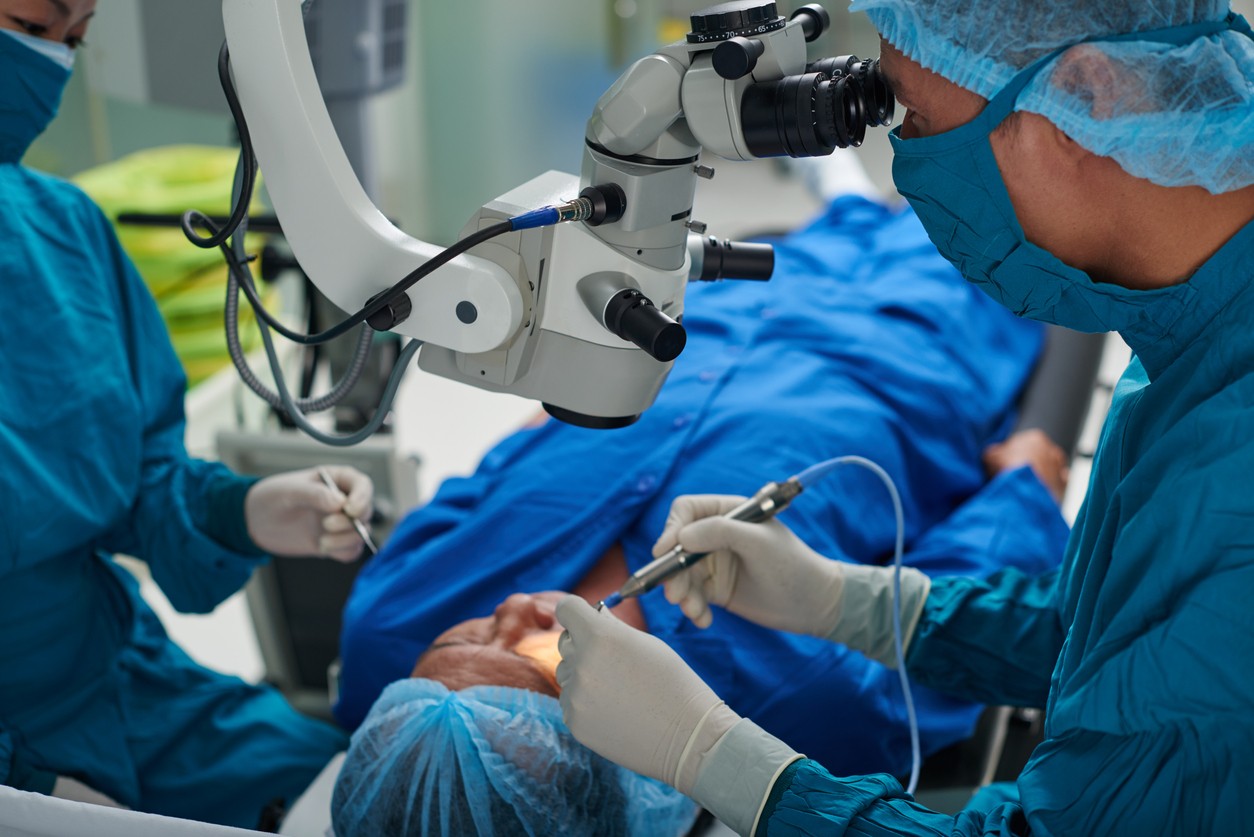
The eye doctor will usually provide medication to help you relax. Anesthetic eye drops are used to numb your eye. The surgeon will make a microscopic incision to remove the affected, cloudy lens and replace it with a new intraocular lens (IOL). Typically, you remain awake during this process and can see general light and movement.
In most cases, there is no need for stitches as the eye heals on its own. The eye surgeon will then apply a protective eye shield before you move to the recovery room.
Types of Cataract Surgery
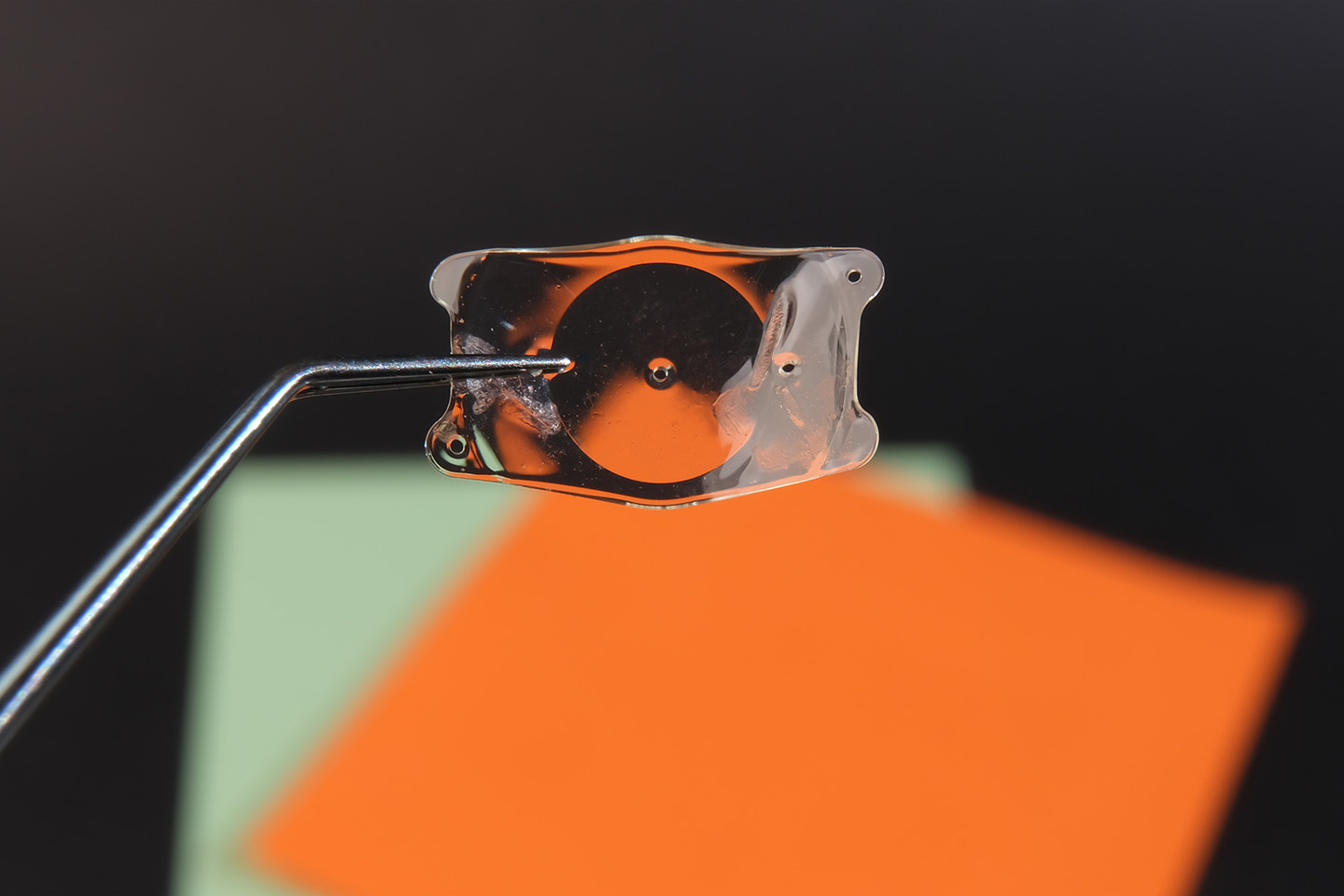
There are several types of cataract surgery, but they all involve replacing the damaged, cloudy lens with a new IOL made of plastic, acrylic, or silicone.
- Small incision cataract surgery (SICS) is the most common procedure performed. Your ophthalmic surgeon will make a small incision into the cornea and insert a probe that uses ultrasound waves to break up the affected lens. This process is known as phacoemulsification. The small pieces can then be extracted safely, and the selected IOL is positioned.. The surgeon will leave the original lens capsule — a thin natural outer membrane that normally covers the lens — in place.
- Extracapsular surgery involves making a larger incision in the cornea and removing the lens in one piece. The natural lens capsule is left in place, and the new lens is inserted. The surgeon may recommend this type of cataract surgery when phacoemulsification is not considered the best option for the type of cataract. This procedure may require a longer recovery time.
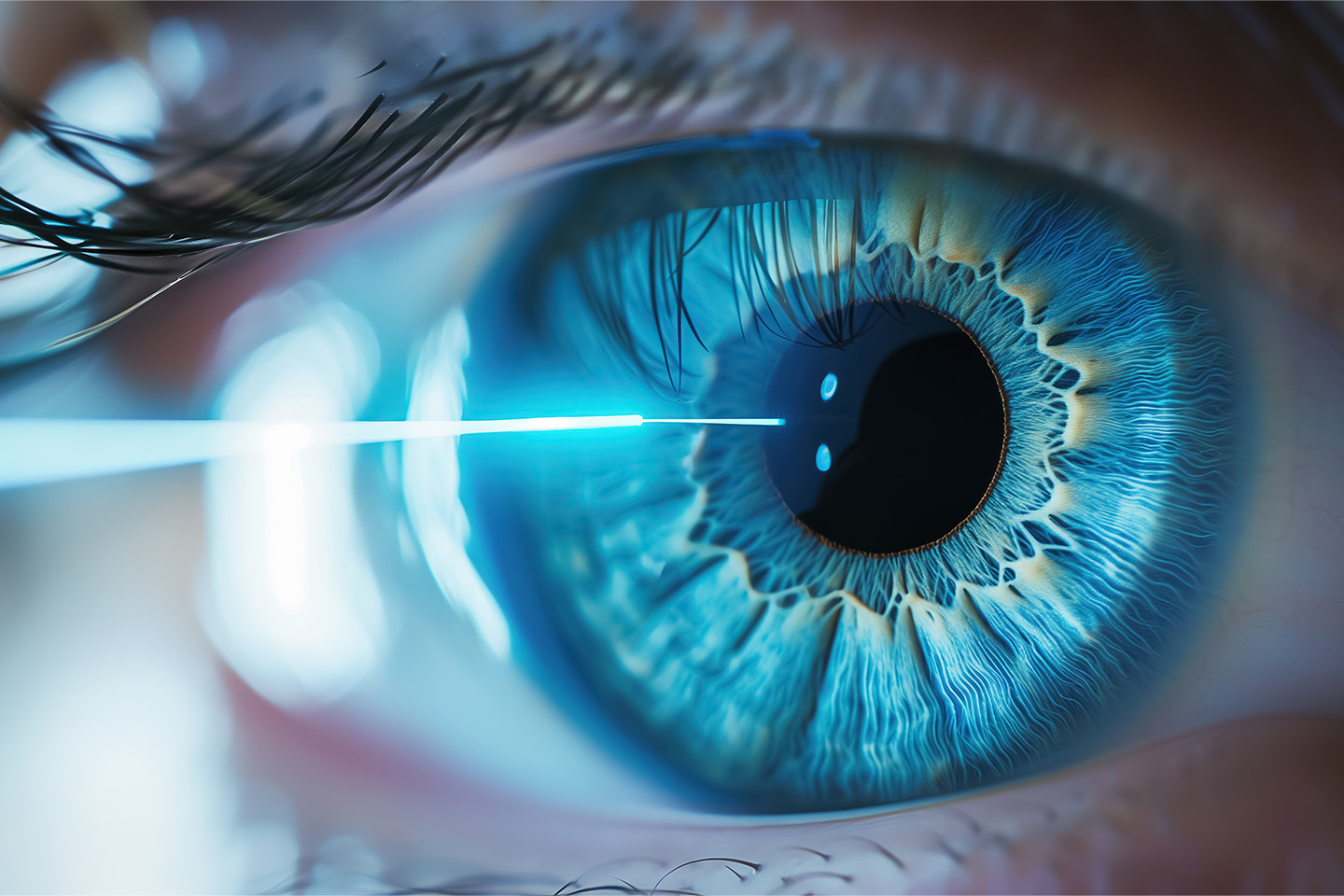
Femtosecond laser surgery uses a precision laser to break up the lens, after which the surgeon removes the pieces and inserts the new lens. This can be recommended for those with astigmatism because the surgeon can reshape the cornea during the procedure to improve overall vision.
After Cataract Surgery
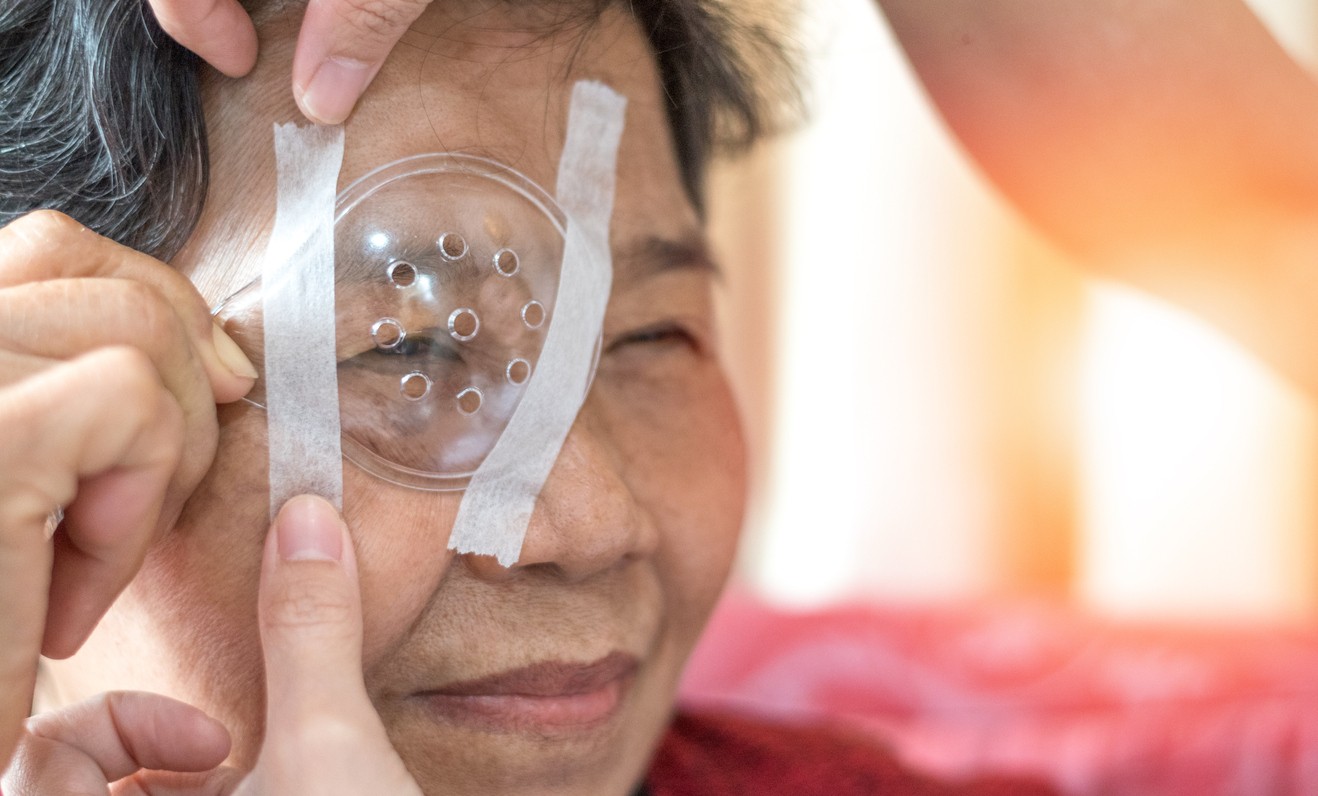
You will most likely remain in the recovery room for about an hour before being allowed to leave. It’s common to need a little more help than usual in the first few hours at home to remain comfortable and to move around safely. Afterward, you may resume many of their regular activities, like light reading and television use, while avoiding strenuous lifting, playing sports, or using hot tubs or pools.
Your cataract surgeon will provide you with an eye patch or eye shield to protect your eye during the healing process. They will give you instructions on when and how long you will need to wear the protective shield, and you will also receive antibacterial and anti-inflammatory eye drops that are commonly used for weeks following the surgery to help prevent infection.
It’s routine to schedule follow-up appointments to check the affected eye the day after surgery, one week later, and then again after several weeks.
Cataract surgery is widely considered a safe and painless procedure. The American Society of Cataract and Refractive Surgery reports that three million Americans have cataract surgery each year, with a 98% success rate. As with any surgical procedure, cataract surgery carries some risks, particularly for patients with previous eye trauma, eye surgery, or other eye structure anomalies. If you have preexisting eye or vision problems, such as macular degeneration or glaucoma, your vision may take longer to recover.
When to Call Your Eye Doctor

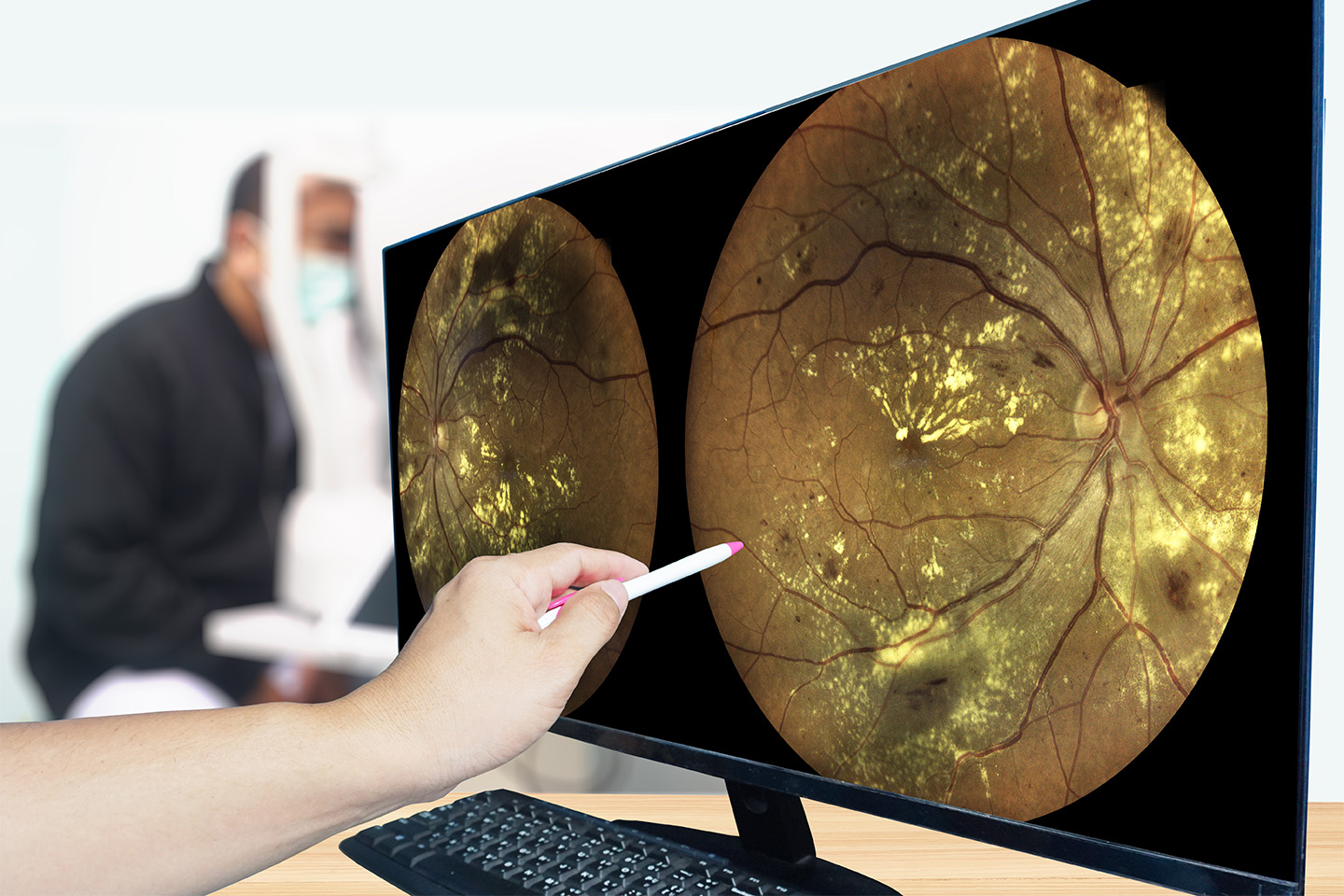
It’s important to see an eye doctor every year. In addition to tests for vision acuity, the doctor will peer into the eye’s anatomy to assess the health of the eye and look for cataracts.
Signs and Symptoms of Cataracts
- Sensitivity to light or feeling like the light is glaring
- Noticing a “halo” around lights
- Having to strengthen your eyeglass or contact lenses for clear vision
- Experiencing double vision in one eye
- Blurred, dim, or cloudy vision
- Colors that seem to fade or “yellow”
- Needing a brighter light to read or perform tasks
- Not seeing well in the dark
When you experience cloudy or blurred vision and the eyes feel more sensitive to glare from lights, it is time to consult an eye doctor. Viewing lights in the dark that appear to have a “halo effect” is another warning sign. Increasing difficulty performing normal activities such as reading, and driving may indicate a problem. A new prescription needed for long-distance vision can be a strong indicator of cataracts forming. When these symptoms are present, you or your caregiver should schedule a consultation with your eye care professional at ICON Eyecare.
Learn More About Cataracts
Causes of Cataracts
- Aging – A person’s age can contribute to the likelihood of developing cataracts. With age, the lens will become less flexible, a little thicker, and less transparent. A cataract will scatter and/or block the light passing through to your retina, causing blurry vision and potentially vision loss.
- Traumatic Injury – Injury can contribute to developing cataracts through blunt force, a penetrating object, chemical burns, and even electric shock. It’s possible to develop cataracts years after an injury occurs.
- Medical Conditions – Some medical conditions can play a part in cataract development. Along with increasing age, some causes of cataracts may include diabetes, obesity, high blood pressure, excessive alcohol consumption, and smoking. Swelling and inflammation within the body cause cellular damage in the eye.
- Radiation Cataracts – People who spend too much time in the sun without eye protection are at risk for cataracts from UVB light, which emphasizes the importance of wearing sunglasses regularly before and after surgery.
Types of Cataracts
- Nuclear Cataracts are the most common form of cataracts and affect the center of the lens, presenting as a new nearsightedness that may actually improve your reading vision for a brief time until the lens gradually turns more yellow and clouds your vision.
- Cortical Cataracts begin with whitish streaks or spokes on the outer edge of the lens. These cataracts will eventually spread to the center of the lens and interfere with light passing through to the cornea.
- Posterior Subcapsular Cataracts affect the back of the lens. The cloudy shapes formed in the cells will diffuse the images coming through to the retina.
- Congenital Cataracts are usually present from childhood and are caused by a faulty gene from one of the parents. In almost 1 out of 5 cases, there is a history of congenital cataracts in the family history. Another cause can be intrauterine infection. Also known as chorioamnionitis, this is an infection that can affect the amniotic fluid, the umbilical cord, and the membranes surrounding the baby.
Choosing an Artificial Lens
All cataract surgeries involve the removal of the eye’s natural lens and replacing it with an artificial, clear lens called an intraocular lens (IOL). The eye surgeon will make a recommendation on which type of IOL is best based on the patient’s condition and optimal vision correction. There are several types of intraocular lenses:
- Monofocal IOLs are the most common artificial lenses and correct for a single distance. Most people set their monofocal lenses to see clearly at a distance and use reading glasses for up-close vision. Most medical insurances cover these lenses.
Other lenses listed below are considered premium options. While these lens options do provide more vision focus features, there can be some downsides, like reduced night vision, halo effects, and loss of contrast. Many find it best to correct the cataract with the common Monofocal IOLs and wear glasses for the other vision needs or vision loss.
- Multifocal IOLs are similar to bifocal or trifocal glasses. These lenses enable someone to see near and far objects, and some allow for intermediate vision, similar to progressive lenses.
- Extended depth-of-focus (EDOF) IOLs correct for one zone, usually allowing distance and intermediate vision correction.
- Accommodative Lenses correct the vision for all distances. This lens works with the natural movements of the eye’s muscles to change focus.
People with astigmatism can choose Toric Lenses with built-in correction for that condition.
Trust Colorado’s Cataract Experts at ICON Eyecare
Backed by more than two decades of experience, ICON Eyecare brings together a team of board-certified cataract surgeons dedicated to exceptional outcomes. As a comprehensive ophthalmology practice grounded in both medical and surgical expertise, ICON puts patients at the center of every decision. By continually investing in advanced technologies — from state-of-the-art lens implants to laser-assisted cataract procedures — ICON prioritizes safety, comfort, and precision at every step of care.
Begin Your Journey Toward Clearer Vision
Schedule your cataract consultation with our expert surgeons today.
Learn more about cataract surgery and experience the ICON Eyecare difference.
[DISPLAY_ULTIMATE_SOCIAL_ICONS]